Source Dairy Equipment Milking Claw for Farms, Retail, and Dairy Farms
Find and compare 30 dairy equipment milking claw options for farms, retail, and dairy farms. These PC and PPSU parts, available in 150cc, 240cc, and 320cc capacities, offer easy cleaning and 6-month warranties for reliable cow milking machine performance; compare the available evidence and request quotations based on your requirements.
Key considerations
Products List


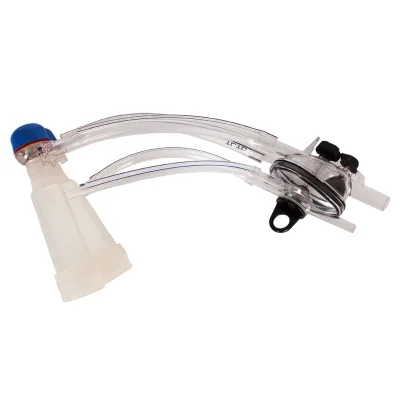
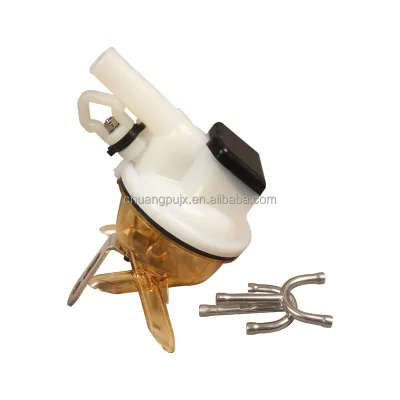
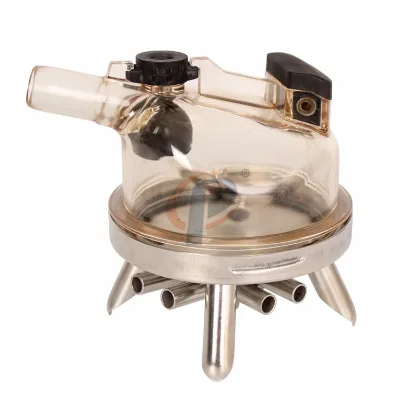
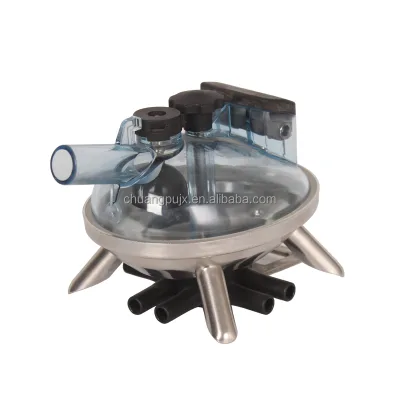
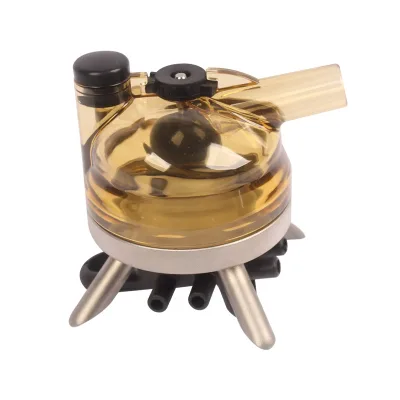
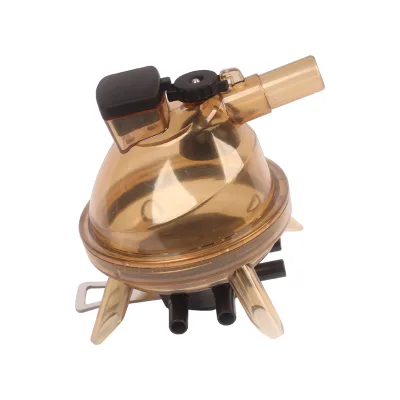
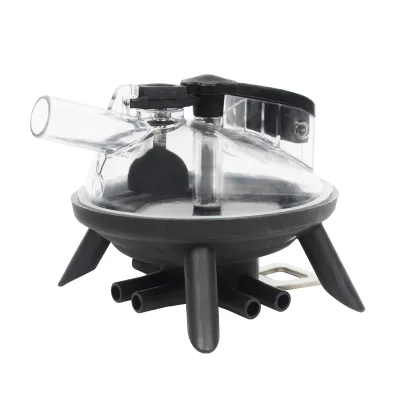
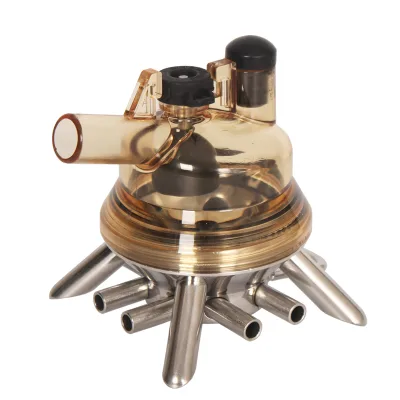
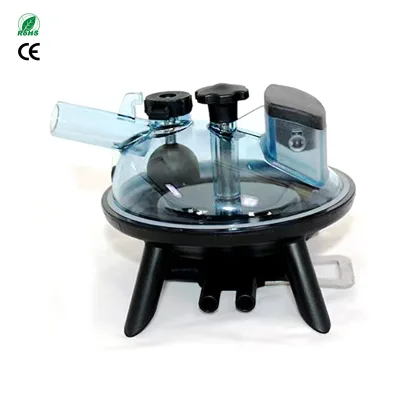
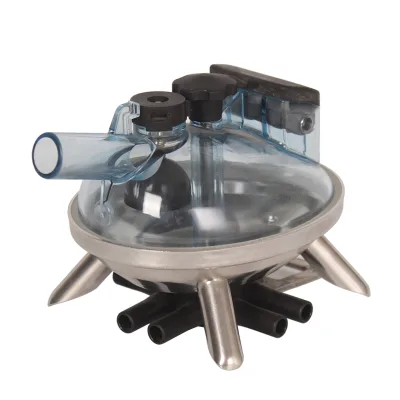
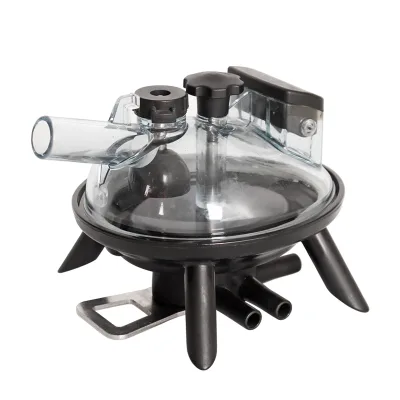
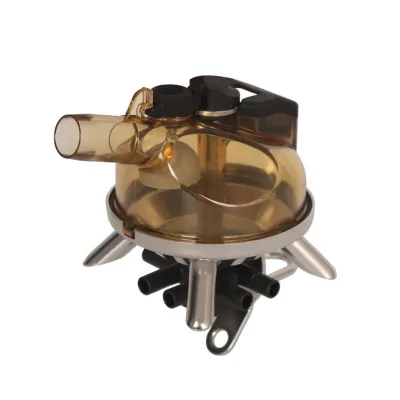
Comprehensive Sourcing Guide
Dairy Equipment Milking Claw Sourcing Guide
The dairy equipment milking claw serves as a critical interface between the milking machine and the cow's udder, designed to facilitate efficient milk extraction while maintaining hygiene standards. Based on observed market listings, these components are primarily manufactured for use in farms and dairy farms, specifically tailored for cow milking machines. Buyers should note that the product is often categorized as a spare part for milk clusters, indicating its role in replacing worn or damaged units rather than serving as a standalone system. The observed listings highlight that these items are available in new condition, ensuring that procurement focuses on fresh inventory ready for immediate installation in existing milking infrastructure.
Procurement decisions must account for the specific material composition and capacity variations found in the current market. The supplied data indicates that milking claws are constructed from durable materials such as PC, PPSU, or a combination of both, which directly influences their resistance to chemical cleaning agents and thermal stress. Capacity options range from 150cc to 320cc, with specific models like the 240cc variant also appearing in listings. This variation requires buyers to match the claw capacity precisely to their existing milking machine specifications to ensure optimal flow rates and prevent milk loss or contamination during the milking process.
Product Scope and Observed Listing Signals
Buyers evaluating product scope must distinguish between different packaging and unit configurations to align with their logistical needs. The market data reveals that individual units are typically packed in color boxes or white color boxes, with carton quantities varying between 20 and 30 pieces per carton. Some listings specify a "PP Bag" option, while others emphasize a "Color Box" presentation, suggesting that packaging standards are not uniform across all suppliers. This inconsistency necessitates a clear definition of packaging requirements in the purchase order to avoid receiving goods in non-standard containers that may complicate warehouse storage or retail display.
The observed listing signals also highlight significant variations in product features and intended use cases that affect selection. While the core function remains consistent, some products are marketed as "Easy Cleaning" units, a feature that is critical for maintaining hygiene in high-throughput dairy operations. Additionally, the listings indicate that these claws are designed for mounted-in milking machines, implying a specific installation method that differs from portable or handheld systems. Buyers must verify that the specific model selected matches their machine's mounting type to ensure a secure fit and proper operational alignment during the milking cycle.
Technical Specifications to Verify
Technical verification begins with confirming the dimensional and capacity specifications to ensure compatibility with existing milking clusters. The observed data lists specific dimensions, such as 17x13x18.5cm and 15x15x15cm, alongside capacities of 150cc, 240cc, and 320cc. These measurements are not merely descriptive but are functional constraints that dictate how the claw integrates with the milking pipeline. Procurement teams must cross-reference these exact figures against their current equipment manuals, as even minor deviations in length or width can prevent proper attachment or cause leaks during operation.
Weight and material composition are equally critical technical parameters that influence the durability and handling of the milking claw. Listings consistently report a weight of approximately 1.0 Kg, which is a standard metric for these components, though buyers should verify this for each specific order. The material composition, ranging from pure PC to PPSU or a PC/PPSU blend, determines the claw's resistance to wear and its ability to withstand repeated sterilization cycles. Buyers should request material certificates or detailed specifications to confirm that the selected material meets the rigorous hygiene and durability standards required for continuous dairy farm operations.
Compliance and Safety Documentation
Ensuring compliance with safety and hygiene standards is paramount when sourcing milking claws, as these components come into direct contact with milk. While specific certification names like ISO 27001 are mentioned in background data, buyers should not assume this applies to the physical product without explicit verification from the supplier. Instead, the focus should be on confirming that the materials used, such as PC and PPSU, are food-grade and safe for dairy applications. Procurement teams must request documentation proving that the materials do not leach harmful substances into the milk, ensuring the final product remains safe for human consumption.
Documentation regarding the warranty and core component reliability is another essential aspect of compliance and safety. The observed listings indicate a warranty period of 6 months for core components, which serves as a baseline for supplier accountability. Buyers should verify the specific terms of this warranty, including what constitutes a defect and the process for claiming replacements. Additionally, the availability of video outgoing inspections for some suppliers offers a layer of quality assurance, allowing buyers to visually confirm the condition of the product before shipment. This visual verification step is crucial for mitigating the risk of receiving damaged or substandard units.
Cost Drivers and Commercial Terms
Cost drivers for dairy equipment milking claws are heavily influenced by material selection, capacity, and packaging requirements. The market data shows a price range from 0.5 to 90 USD, reflecting the diversity in product quality and specifications. Higher prices often correlate with advanced materials like PPSU or specialized packaging, while lower prices may indicate standard PC construction or bulk packaging options. Buyers must analyze the total cost of ownership, considering that cheaper units may require more frequent replacement due to lower durability, whereas premium materials might offer a longer service life despite a higher initial investment.
Commercial terms such as Minimum Order Quantity (MOQ) and delivery lead times significantly impact procurement planning and cash flow. The observed MOQ ranges from 1 piece to 50 pieces, offering flexibility for small farms or large-scale operations alike. However, buyers should be aware that lead times can vary, with some listings indicating a delivery window of 15 to 35 days. It is essential to negotiate these terms clearly in the contract to ensure that the supply chain remains uninterrupted, especially during peak milking seasons when equipment failure can lead to significant production losses.
Supplier Qualification and Quality Control
Supplier qualification should prioritize those who provide video outgoing inspections and offer after-sales support, as these services indicate a commitment to quality and customer satisfaction. The data shows that some suppliers provide video inspections, allowing buyers to verify the product's condition before it leaves the factory. This feature is particularly valuable for ensuring that the milking claws are free from manufacturing defects or damage incurred during handling. Buyers should also confirm that the supplier offers a warranty on core components, as this demonstrates confidence in the product's longevity and performance.
Quality control processes must be rigorously evaluated to ensure consistent product performance across all units. The observed listings mention a productivity rate of 500 pieces per month, which suggests a moderate production scale that may or may not guarantee consistent quality control. Buyers should inquire about the supplier's internal quality assurance protocols, including how they test for material integrity and dimensional accuracy. Additionally, the availability of customization options allows buyers to tailor the product to specific needs, but this requires a supplier with robust quality management systems to ensure that customizations do not compromise the product's reliability.
Long-Term Procurement Checks
Long-term procurement checks should focus on the supplier's ability to maintain consistent product quality and availability over time. Given the observed productivity of 500 pieces per month, buyers must assess whether the supplier can scale production to meet future demand without compromising quality. It is advisable to establish a relationship with suppliers who have a track record of reliable delivery and consistent material sourcing. This proactive approach helps mitigate the risk of supply chain disruptions and ensures that replacement parts are available when needed, minimizing downtime in dairy operations.
Continuous monitoring of product performance and supplier responsiveness is essential for maintaining operational efficiency. Buyers should regularly review the condition of installed milking claws and track any recurring issues that may indicate a quality problem. If a supplier consistently provides units that fail prematurely or do not meet specifications, it may be necessary to switch to a different vendor. Additionally, maintaining open communication with suppliers regarding any changes in material standards or manufacturing processes ensures that the procurement strategy remains aligned with the evolving needs of the dairy farm.
FAQs
What materials are used for dairy equipment milking claw parts?
The dairy equipment milking claw parts are manufactured from PC and PPSU materials. These durable plastics ensure hygiene and longevity in farm environments. The components are designed for easy cleaning and are suitable for cow milking machines. Each unit is inspected before shipping to maintain quality standards for agricultural use.
What capacities are available for the milk claw spare parts?
The milk claw spare parts are available in three specific capacities: 150cc, 240cc, and 320cc. These models correspond to different milking machine requirements. The 150cc and 320cc variants are explicitly listed with their respective dimensions. Buyers can select the appropriate size based on their specific dairy farm equipment needs.
Can I customize the dairy equipment milking claw for my farm?
Yes, customization is available for the dairy equipment milking claw. The supplier offers tailored solutions to meet specific farm requirements. This service allows buyers to adapt the milking machine parts to their existing infrastructure. Contact the vendor directly to discuss your specific customization needs and ensure compatibility with your current dairy operations.
What is the minimum order quantity for milk claw parts?
The minimum order quantity for milk claw parts is one piece. This low MOQ allows buyers to test the product quality before placing larger orders. The supplier supports small-scale purchases, making it accessible for various farm sizes. Bulk orders are also accepted with standard packaging options for efficient shipping and handling.
How long is the warranty for the core components of the claw?
The warranty for the core components of the claw is six months. This coverage ensures reliability for essential parts like the material construction. The supplier provides after-sales service to address any issues during this period. Buyers can rely on this warranty for peace of mind when investing in dairy farm equipment.
What is the lead time for shipping the milking machine parts?
The lead time for shipping the milking machine parts is 15 to 35 days. This duration accounts for production and preparation processes. The supplier maintains a productivity of 500 pieces per month to meet demand. Buyers should plan their orders accordingly to ensure timely delivery for their dairy farm operations.